

This site uses Cookies that are required for the technical operation of the website and are always set. Other cookies that increase convenience when using this website, are used for direct advertising or are intended to simplify interaction with other websites and social networks are only set with your consent.
REJECT Configure ACCEPT ALLTaking care of your feet is not only about aesthetics, a neat pedicure, and soft skin. First of all, it is about everyday comfort, lightness while walking, and preventing unpleasant sensations. Your feet carry your body weight every day, come into contact with footwear, and react to temperature changes, sweating, friction, and lack of moisture. That is why regular foot care helps keep the skin smooth, reduces the risk of roughness, and supports a feeling of freshness throughout the day.
Even if the skin looks normal, it still needs cleansing, moisturizing, and occasional exfoliation. It is important not to wait until painful areas, severe dryness, or discomfort appear. A simple routine at home can take only a few minutes but noticeably improve the condition of your feet.
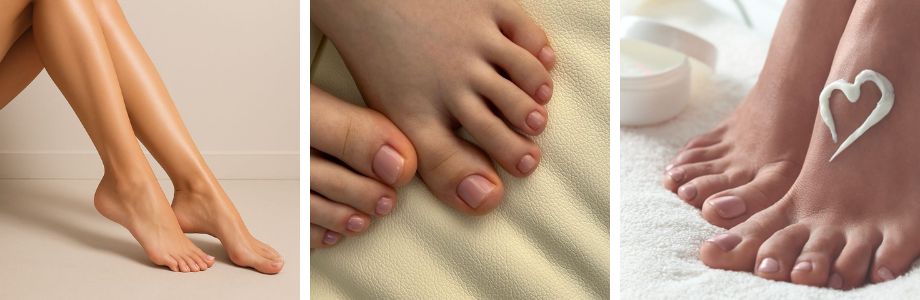
A well-planned foot care routine affects the appearance of your feet, walking comfort, and the overall condition of the skin. The skin on the feet is thicker, while natural moisture is lower, so it loses hydration faster and becomes rough more easily.
Regular cleansing, softening, and protection help reduce the risk of rough patches, unpleasant odor, irritation, and tightness. This is especially important for people who walk a lot, exercise, work standing up, or often wear closed shoes.
Home care does not replace a doctor’s consultation in cases of pain, inflammation, fungal infections, or deep skin damage. However, it helps keep your feet in good condition and helps you notice changes over time.
When feet do not receive enough attention, the most common issues include rough heels, flaking, unpleasant odor, irritation between the toes, and sensitivity to friction.
Dry feet are often one of the first signs that the skin lacks moisture. At first, dryness may look like slight roughness, but over time these areas become denser, may catch on socks, and cause discomfort.
Another common issue is calluses and corns. They appear due to pressure, tight shoes, high heels, uneven weight distribution, or long periods of walking. These areas should not be removed aggressively: excessive filing can damage the skin.
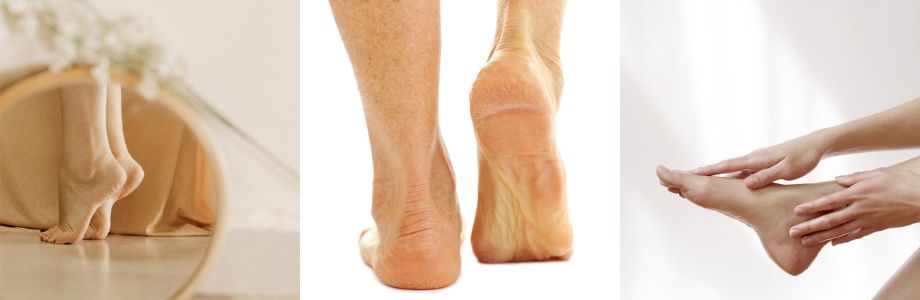
Home foot care should be simple, safe, and regular. It is better to spend a few minutes on your feet every day than to do intensive procedures only from time to time.
Practical steps:
This sequence helps you understand how to care for feet without complicated procedures or spending too much time.
Foot cream is a basic product for softening the skin, reducing tightness, and maintaining elasticity. Useful ingredients include urea in a suitable concentration, glycerin, oils, panthenol, allantoin, and plant extracts.
Light textures are convenient to use in the morning or after a shower, while richer balms are better for evening care, especially on the heels. After applying the product, you can put on soft cotton socks to enhance comfort. It is better to apply only a small amount between the toes to avoid excess moisture.
Foot peeling helps remove surface dead skin cells, makes the skin smoother, and prepares it for moisturizing. Exfoliation can be mechanical, such as using a scrub or foot file, or chemical, with acids or other gentle keratolytic ingredients.
It is important not to try to remove all rough skin at once. Excessive friction may cause microdamage. Usually, 1–2 procedures per week are enough, followed by a moisturizing or nourishing product.
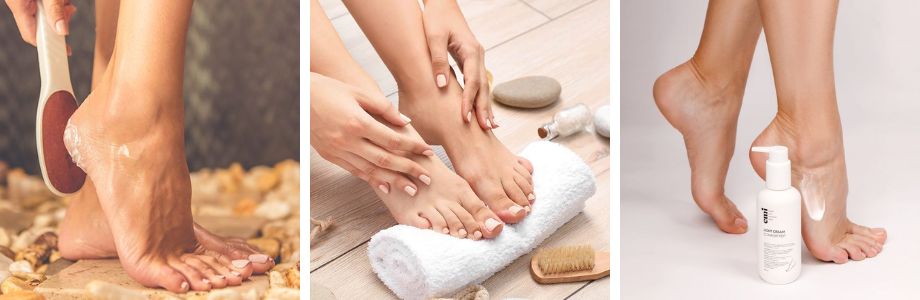
Prevention starts with moisturizing, gentle exfoliation, and proper footwear. If the heels are constantly dry, the skin loses elasticity and becomes less resistant to daily pressure.
To reduce the risk of problems:
Cracked heels are easier to prevent than to treat. If the skin is already damaged, it is better to avoid aggressive peels and harsh files, focusing instead on gentle repair and protection.
The needs of your feet change depending on the season. In summer, the skin often dries out because of open shoes, dust, and heat. In winter, it may suffer from closed footwear, dry indoor air, and temperature changes.
In summer, it is important to cleanse your feet after walks, use lightweight moisturizing products, and protect the skin from friction. Open shoes can make heels drier, so evening moisturizing should not be skipped.
In winter, feet spend most of the day in closed shoes, which can cause sweating, irritation, and unpleasant odor. During this season, it is especially important to dry the skin thoroughly after showering, change socks regularly, and use richer creams.
If your feet feel cold, do not warm them with very hot water. It is better to use a comfortably warm foot bath, then apply a nourishing product and put on soft socks.
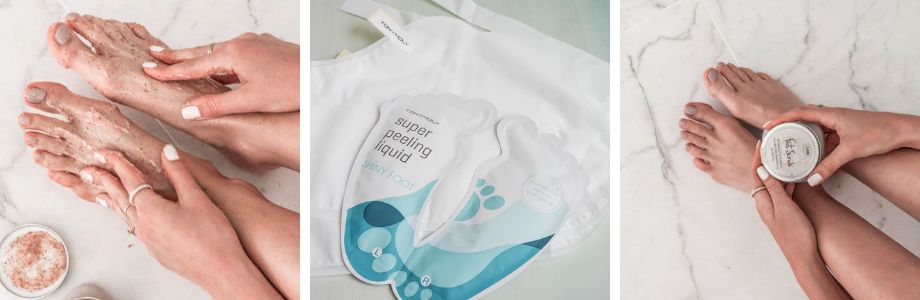
For a complete routine at home, a few products are enough: a gentle cleanser, a moisturizing cream, a scrub or delicate exfoliating product, a foot file, and a mask or balm for intensive care.
Foot care products should be chosen according to the task. Moisturizing formulas are suitable for dryness, products with a gentle keratolytic effect work well for rough areas, and cleansing or deodorizing products help maintain freshness.
It is better not to combine too many active procedures in one day. Acid exfoliation, a harsh file, and long soaking can overload the skin. A safer approach is to alternate care steps and observe how your feet respond.
At TUFISHOP, you can choose products for cleansing, exfoliating, moisturizing, and restoring the skin of the feet. Lightweight creams are suitable for daily care, while richer balms and softening formulas are a good choice for heels prone to roughness.
The ideal home set includes cleansing, moisturizing, and gentle skin renewal. This routine is easy to maintain regularly, and the result is noticeable in everyday comfort: the skin feels softer, the feet look well-groomed, and dry areas become less bothersome.
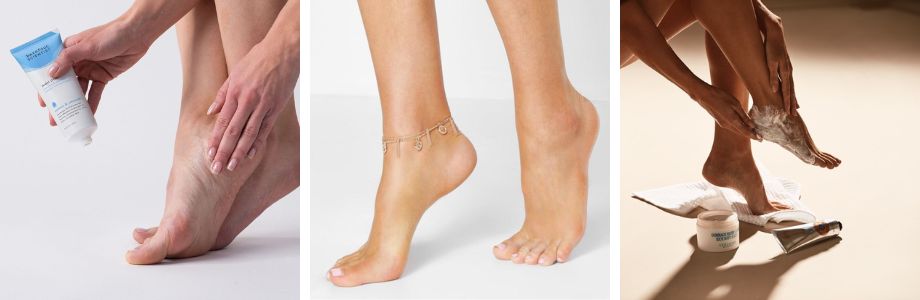
Moisturize your heels regularly, avoid overdrying the skin, gently remove the hardened layer, and wear comfortable shoes. If cracks are deep or painful, it is better to consult a specialist.
You mainly need a foot cream, a peel or scrub, a mask, a foot file, and hygiene products. Protective plasters can also be useful to prevent rubbing.
Usually, 1–2 times a week is enough. If the skin is sensitive, exfoliation should be done less often, using gentle products.
Yes, basic results can be maintained at home: cleanse the skin, dry it thoroughly, moisturize it, and gently remove surface roughness.
The most common reasons are dryness, friction, open shoes, long walks, or lack of regular moisturizing.
WhatsApp
+48 45 956 69 09
 How to use a promotional code
Enter the promotional code in the appropriate field before placing your order.