

Diese Website benutzt Cookies, die für den technischen Betrieb der Website erforderlich sind und stets gesetzt werden. Andere Cookies, die den Komfort bei Benutzung dieser Website erhöhen, der Direktwerbung dienen oder die Interaktion mit anderen Websites und sozialen Netzwerken vereinfachen sollen, werden nur mit Ihrer Zustimmung gesetzt.
ABLEHNEN Konfigurieren ALLE AKZEPTIERENDry hair needs special attention and consistent care. It quickly loses shine, becomes brittle and dull, and the ends start to split. To know what to do, it’s important to understand the causes and build a smart recovery strategy. At-home care can deliver excellent results when combined with a healthy lifestyle and professional products.
To care for dry hair properly, you first need to understand the nature of the problem. Dryness is often confused with damage, dandruff, or brittleness—resulting in ineffective routines. By identifying the source and type of dryness, you can choose the right products and create a routine that brings lasting results. Signs of dryness usually appear along the entire length—from a dull look to brittle ends. The detailed breakdown below will help you pinpoint causes and differences.

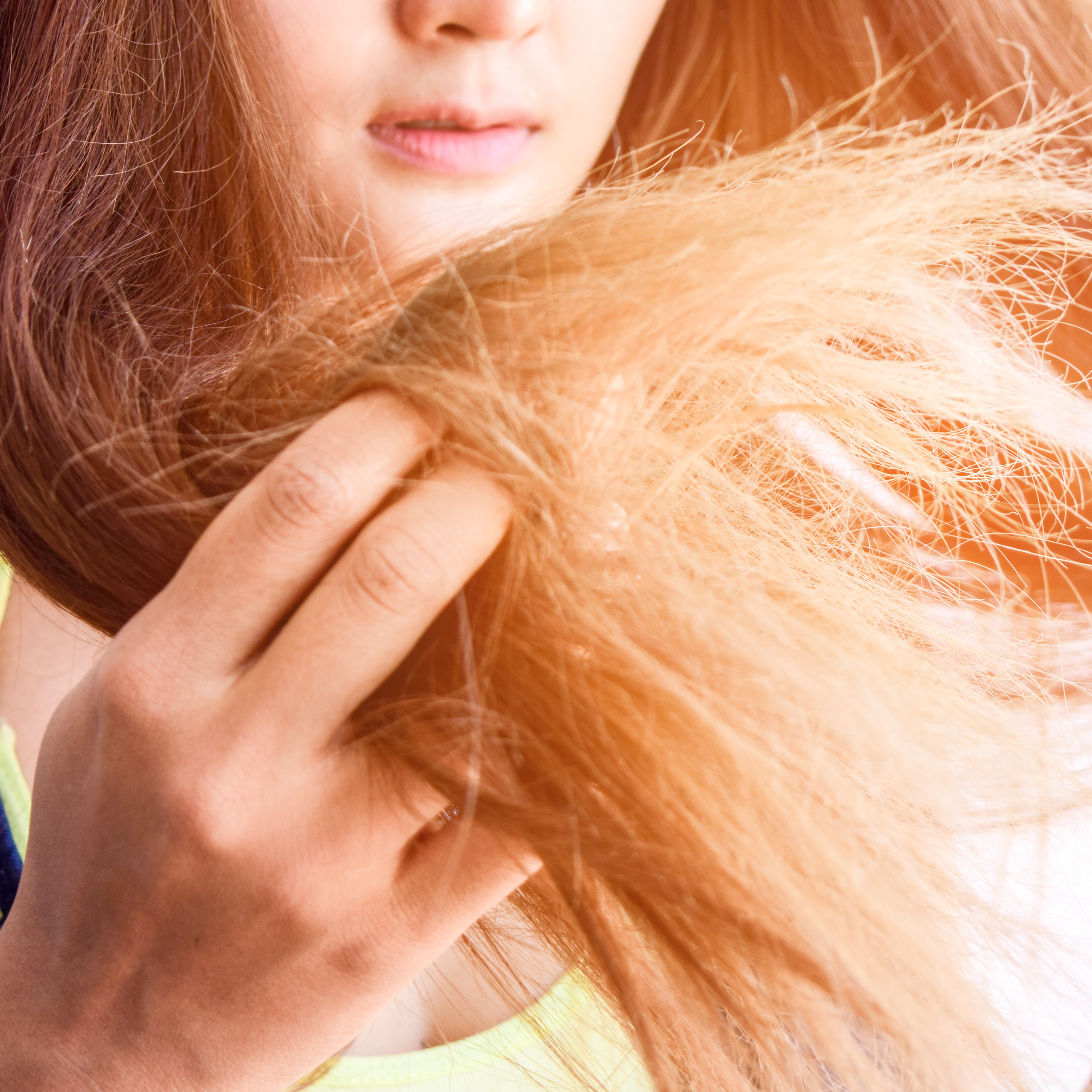
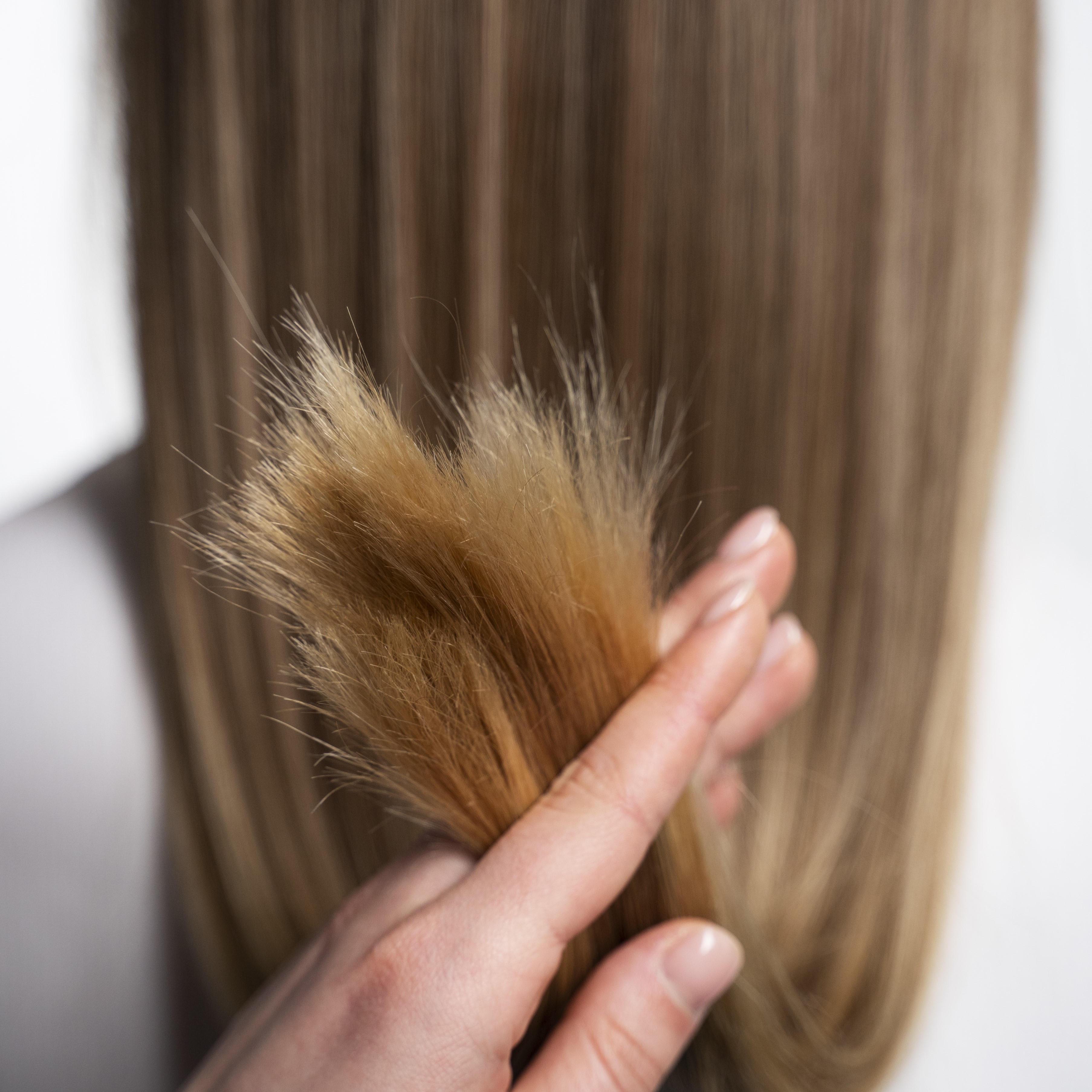
The core issue is loss of moisture and lipids that hold water inside the hair shaft. The most common factors include:
Even naturally healthy hair can become dull and brittle due to environmental conditions or improper care.
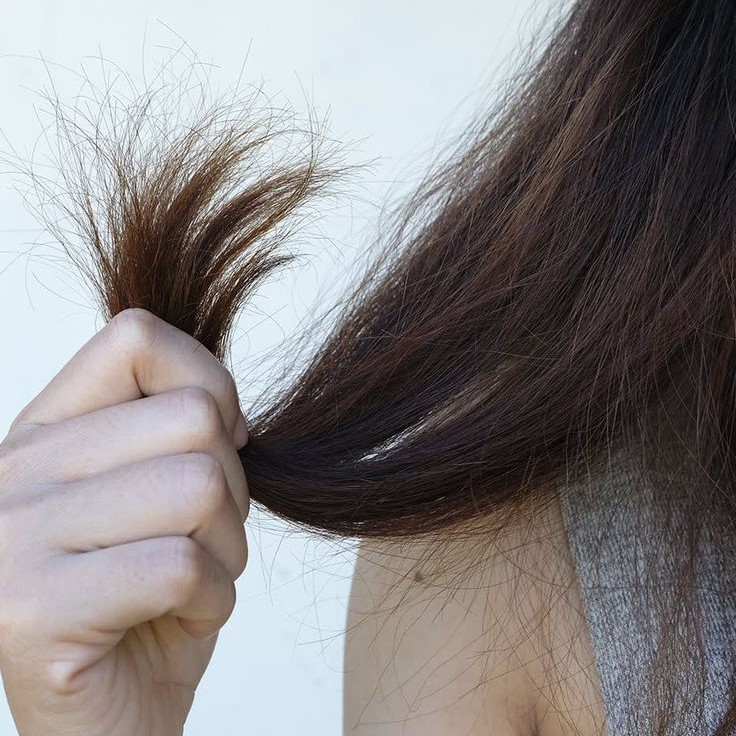
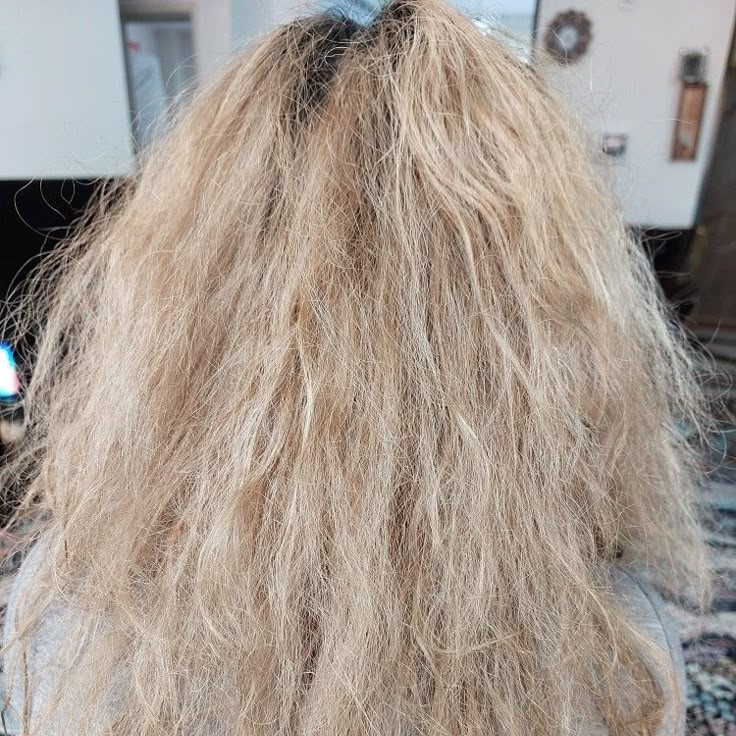
Dryness is primarily dehydration. Damage is a structural disruption. If your hair feels like straw, it’s rough and dull along the length and hard to detangle. Damaged hair often breaks mid-shaft, loses elasticity, and reacts to humidity. Sometimes both states overlap, requiring a comprehensive approach.
.jpg?1760797197581)
 hair ends get so bad so fast….jpg?1760797229436)
Repairing dry hair requires a system, not one-off fixes. A single mask isn’t enough—you need a consistent routine that replenishes moisture and nutrients. With regular use, the right products gradually restore softness, elasticity, and shine. At-home routines can be as effective as salon treatments when done consistently. Below are proven methods that can improve hair within a few weeks.
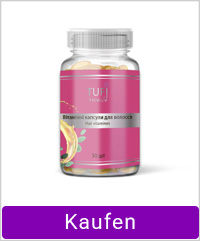
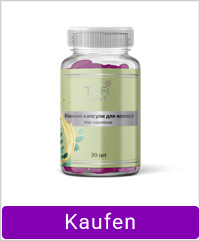
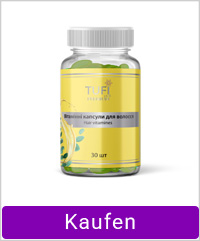
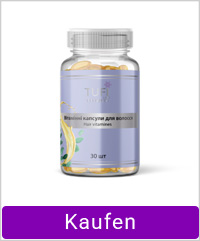
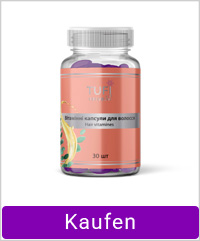
Active Ingredients and Their Role in Treating Dry Hair
To truly understand how to hydrate very dry hair, focus on formulas. Effective components include:
|
Ingredient |
Action |
|
Hyaluronic acid |
Hydrates and retains moisture inside the hair shaft |
|
Oils (argan, shea) |
Rebuild the lipid barrier and add shine |
|
Proteins & keratin |
Strengthen the cuticle and make hair feel denser |
|
Panthenol & aloe vera |
Soften, relieve dryness, and protect from external stressors |
Regular use of such products enables professional-level home care comparable to salon treatments.
If you’re wondering how to deeply nourish dry hair at home, add these to your routine:
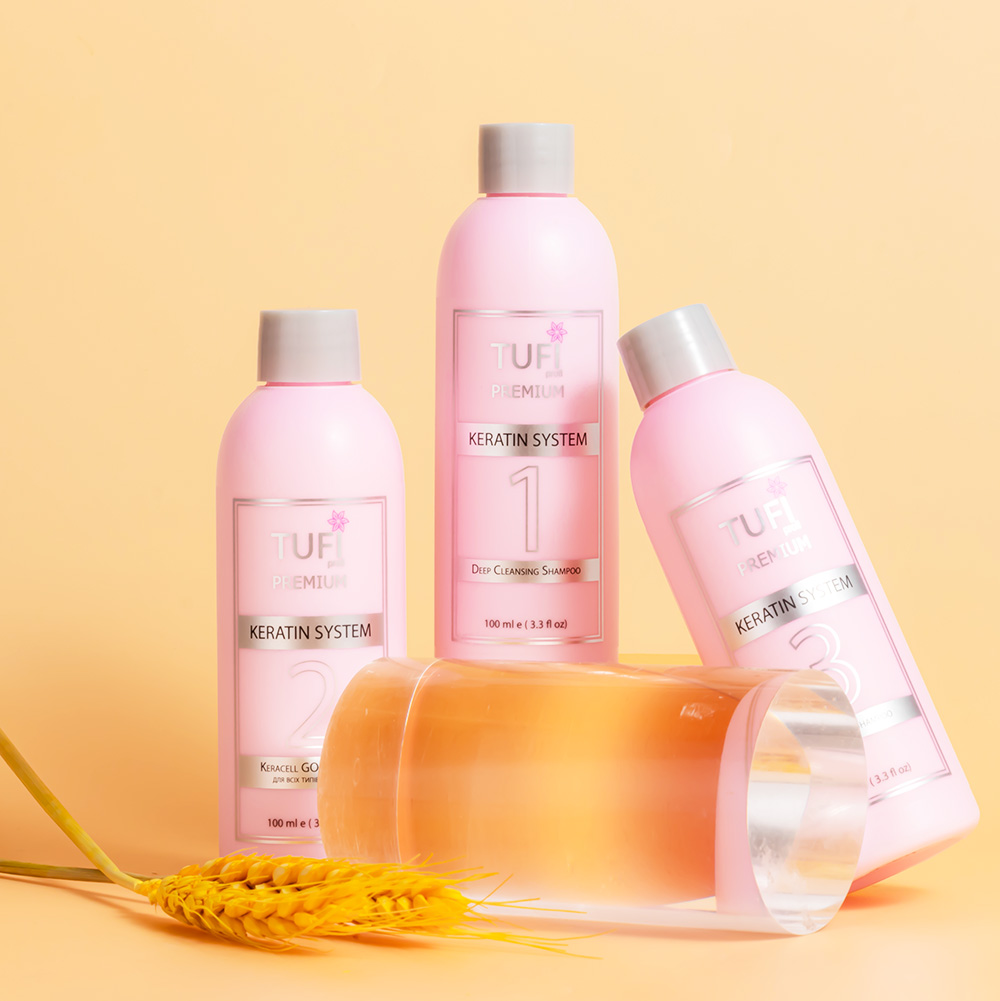
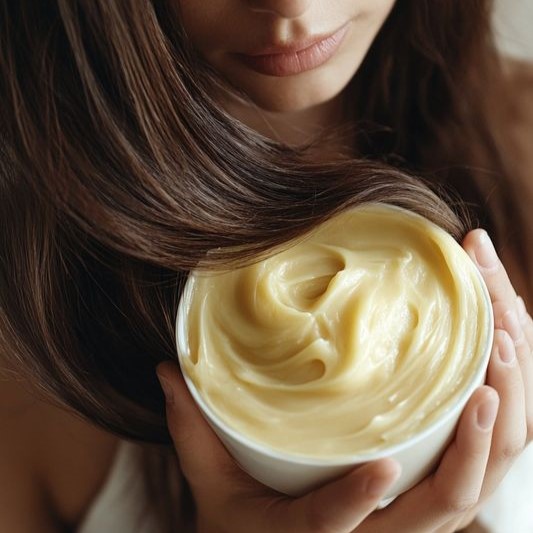
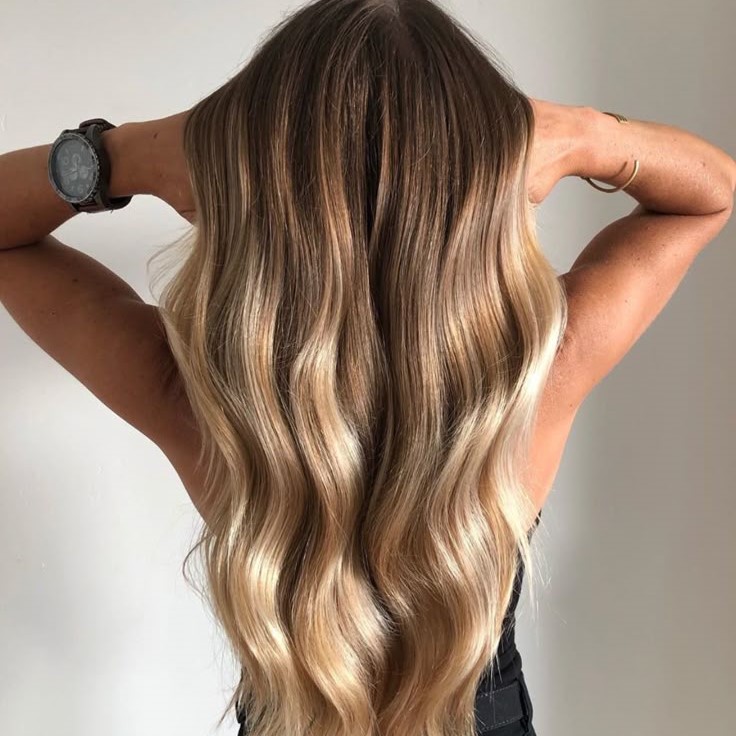
Additionally, use lightweight serums/fluids and heat protection with every styling session. This is crucial if your hair is breaking—the best thing you can do is minimize damaging factors.
Salon services offer instant results: laminating, “hair botox,” deep reconstruction. At-home care works gradually but delivers long-term benefits. The ideal approach combines both. If salon visits aren’t feasible, a quality home system can bring visible improvement in 3–4 weeks.
Repair matters—but preventing dehydration and breakage matters even more. Proper prevention helps you preserve results and keep hair healthy without constant “rescue” procedures. Experts recommend focusing not only on products, but also on lifestyle, protection from environmental stress, and daily habits. This approach stops dryness early. Below are practical recommendations that are easy to implement at home.
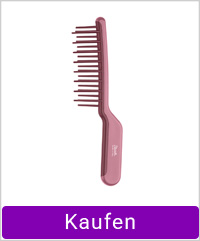
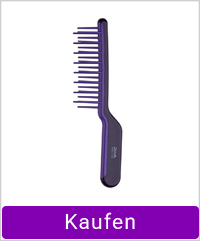
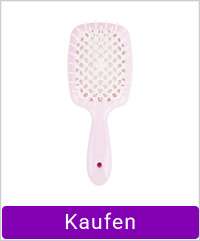
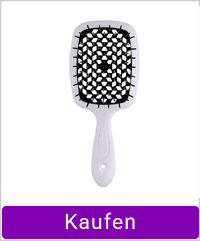
These steps will help you not only learn how to treat dry, brittle hair, but also prevent further damage.
Hair health is closely tied to lifestyle. Protein, omega-3s, iron, vitamins A, E, and B-complex are the foundation of dense, shiny strands. Drink enough water and include vegetables, nuts, fish, eggs, and whole grains in your diet. This boosts the effect of any routine.
If you want to know how to get rid of split ends at home, start by eliminating these habits and hydrating consistently.
You can find professional oils, masks, and conditioners for repair at the Tufishop online store. There’s a wide selection to help restore softness, shine, and elasticity—without a salon visit.
WhatsApp
+48 45 956 69 09
 So verwenden Sie einen Aktionscode
Geben Sie den Aktionscode in das entsprechende Feld ein, bevor Sie Ihre Bestellung aufgeben.