

Diese Website benutzt Cookies, die für den technischen Betrieb der Website erforderlich sind und stets gesetzt werden. Andere Cookies, die den Komfort bei Benutzung dieser Website erhöhen, der Direktwerbung dienen oder die Interaktion mit anderen Websites und sozialen Netzwerken vereinfachen sollen, werden nur mit Ihrer Zustimmung gesetzt.
ABLEHNEN Konfigurieren ALLE AKZEPTIERENNowadays, frequent hand washing and the use of disinfectants have become part of everyday life, especially during times of increased hygiene measures. While these habits are very important, they often lead to nails and cuticles drying out, becoming brittle, and prone to damage. How can you protect your nails from drying out due to disinfectants and frequent hand washing? This question concerns many people who, despite intensive care, often struggle with dry, cracked nails. In this text, you will learn why nails dry out from these influences, which care measures are most effective, and how to maintain your nail health long-term.
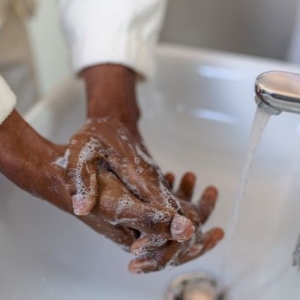
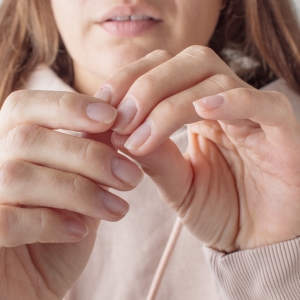
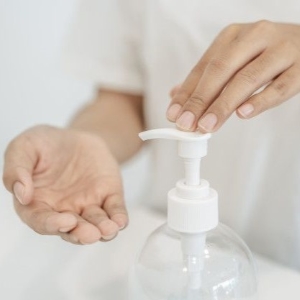
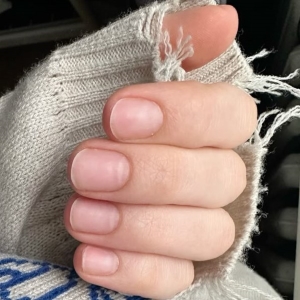
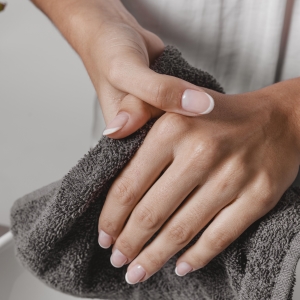
Our nails and the surrounding skin have a natural protective barrier that guards them against moisture loss and harmful environmental factors. Frequent hand washing with often harsh soaps, as well as the use of alcohol-based disinfectants, destroys this protective barrier. Lipids and moisture factors essential for the elasticity and softness of nails are washed away or broken down. Products with a high alcohol content are particularly problematic as they strip moisture from nails and cuticles. Besides drying out, micro-injuries can occur that facilitate bacterial penetration and cause inflammation. Therefore, nails often react with brittleness, flaking, and unsightly discoloration. Constant rubbing and washing can also create mechanical stress that weakens the nail structure.
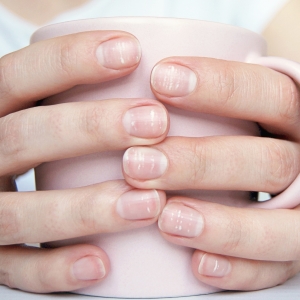
Additionally, the lack of moisture changes the condition of the cuticles, making them brittle and causing them to peel unattractively. Without adequate protection, nail regeneration is impaired, which in the long term makes nails thinner and more vulnerable. This effect is often intensified by cold temperatures, dry air, and environmental pollution. Therefore, it is important not only to treat dryness symptomatically but also to take preventive measures.
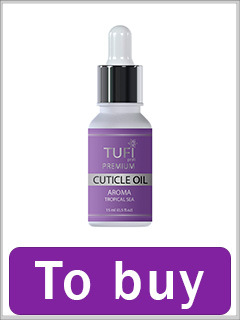
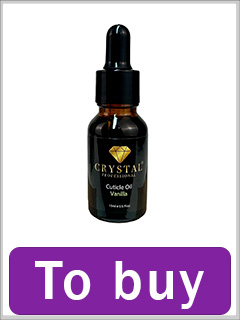
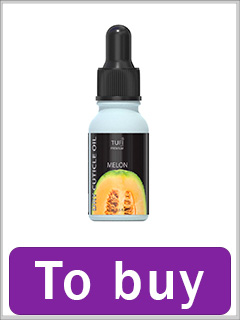
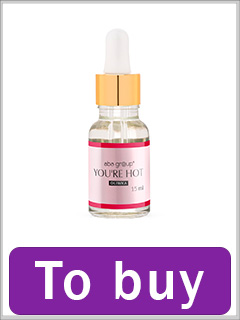
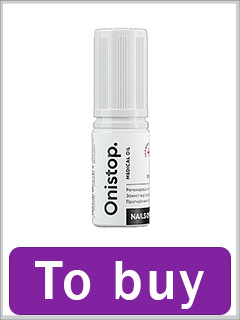
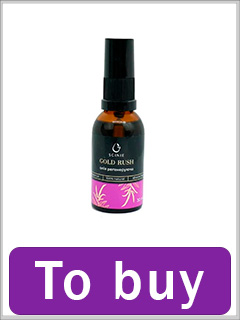
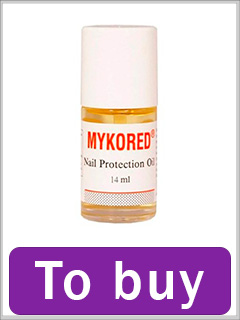
To care for dry nails sustainably, moisturizing nail oils and hand creams are indispensable. Products containing natural oils like jojoba, almond, or argan oil strengthen the cuticles and promote regeneration. Creams with glycerin, urea, or hyaluronic acid are especially valuable because they bind intensive moisture and give nails suppleness. Regularly massaging these products in supports the formation of a protective barrier and helps to compensate for moisture loss caused by frequent washing.
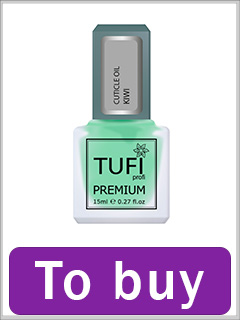
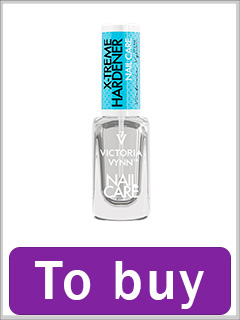
Besides moisture, protection from external influences is also important. Special nail hardeners and protective coatings with keratin or panthenol can make nails more resilient. These products create a thin, flexible layer on the nail surface that counteracts mechanical stress. Some polishes also contain moisture-retaining ingredients and prevent water and chemical penetration. This way, nails are protected from further drying out and the natural structure is supported.
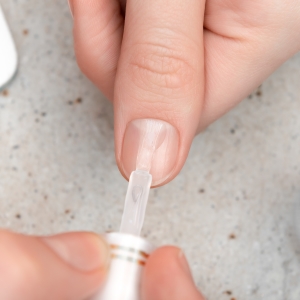
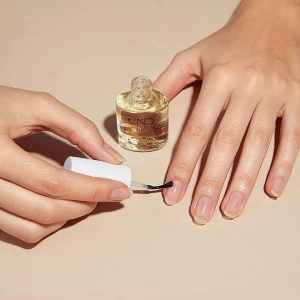

Natural home remedies offer a gentle and effective way to care for and revitalize dry nails. Olive oil is especially rich in antioxidants, vitamin E, and essential fatty acids, which soften the cuticles and strengthen the nail structure. A simple application involves massaging warm olive oil into the nails in the evening and letting it soak for a few minutes. Coconut oil additionally has antibacterial properties and provides deep moisture, preventing inflammation and soothing the skin. Aloe vera gel can also be used as a moisturizing agent with soothing effects.
These home remedies are ideal for gentle yet intensive care. Additionally, honey masks or bath additives with sea salt can be used to strengthen nails and skin. Regular use is important as effects become noticeable only after some time.
For healthy nails, it is recommended to use nail oils and hand creams at least twice daily – ideally in the morning after washing and in the evening before going to bed. This allows the care products to absorb optimally and exert their effects. After hand washing or disinfecting, reapplication is advisable to compensate for moisture loss. Additionally, an intensive nail treatment such as a nourishing bath or mask should be performed at least once a week.
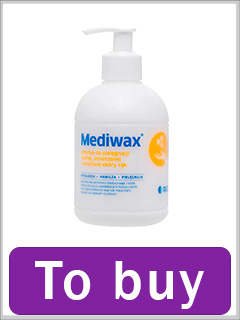
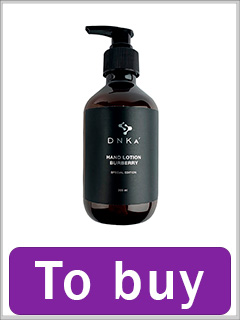
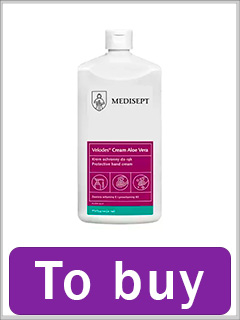
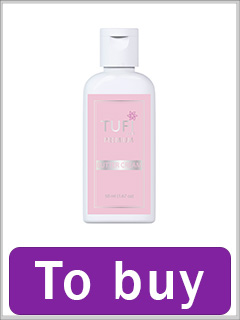
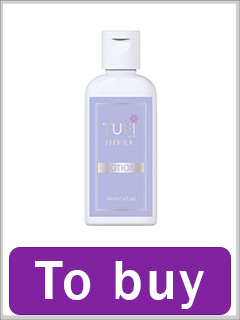
Certain ingredients in nail care products are especially effective at binding moisture and strengthening the nail’s protective barrier. Ceramides repair and maintain the natural lipid layer of the cuticle, preventing dryness. Panthenol promotes cell regeneration and ensures soft skin. Hyaluronic acid acts as a moisture booster and attracts water, improving nail elasticity. Vitamin E protects against oxidative stress and strengthens the cuticle. Natural oils and waxes like beeswax also support the barrier function.
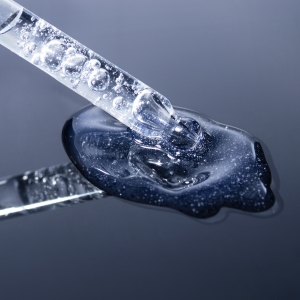


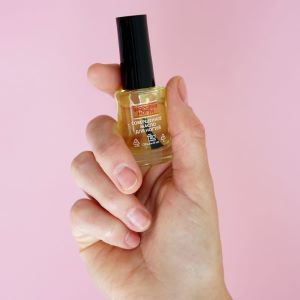
The combination of these ingredients in care products ensures optimal protection and moisture supply for nails and cuticles. When purchasing, make sure these active ingredients are present in well-tolerated concentrations.
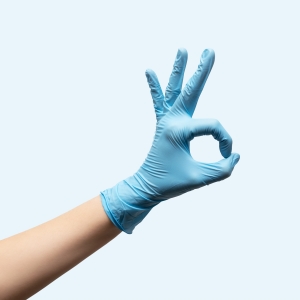
Many disinfectants contain alcohol substances that severely dry out nails and skin. To counter this, milder alternatives enriched with moisturizing additives like aloe vera, glycerin, or panthenol are already available. These gentle products are often water-based and cause less irritation to the skin. If possible, pay attention to these ingredients when purchasing. Additionally, wearing protective gloves during prolonged contact with disinfectants or water can help protect nails.
Another alternative is thorough washing with mild, re-fatting soaps instead of constant disinfection, if the situation permits. Regular application of care oils immediately after using disinfectants can also significantly reduce moisture loss.
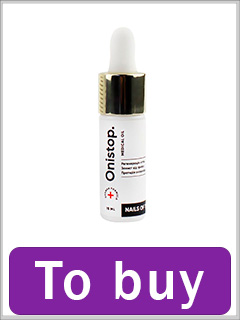
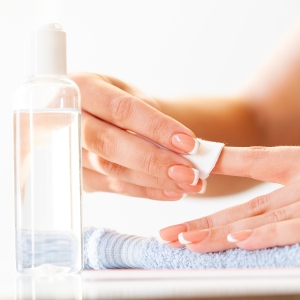
Many people regularly care for their nails but make some mistakes that can worsen their condition in the long term. For example, too hot water damages nails by further stripping moisture and drying out the skin. Aggressive removal of the cuticles, such as pulling or pushing them back too hard, can lead to inflammation and infections. Frequent use of acetone-containing nail polish removers also dries out nails significantly and should be minimized where possible.
Another mistake is neglecting care after disinfectant use or wearing artificial nails without sufficient recovery breaks. Nails need time to rest and rebuild. Mechanical stress from excessive filing or nail biting also weakens nail structure.
By practicing conscious care, using appropriate products, and avoiding harmful habits, you can effectively protect your nails from drying out due to disinfectants and frequent hand washing. Healthy, strong nails are not only a sign of good care but also boost your well-being and confidence in everyday life.
WhatsApp
+48 45 956 69 09
 So verwenden Sie einen Aktionscode
Geben Sie den Aktionscode in das entsprechende Feld ein, bevor Sie Ihre Bestellung aufgeben.