



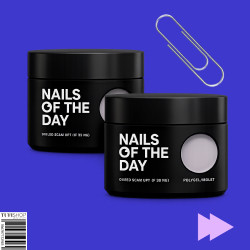


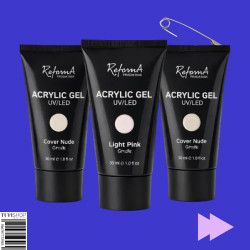

Building polygel for nails — for extension, modelling and strengthening
What is builder polygel and what is it for?
Builder polygel for nails is a hybrid of gel and acrylic with a thick, stable texture. It doesn’t run, gives you time to calmly build the nail architecture, and is suitable for extensions, strengthening, repairs, and shape correction. The material is lightweight to wear yet very strong, making it convenient for both professionals and beginners.
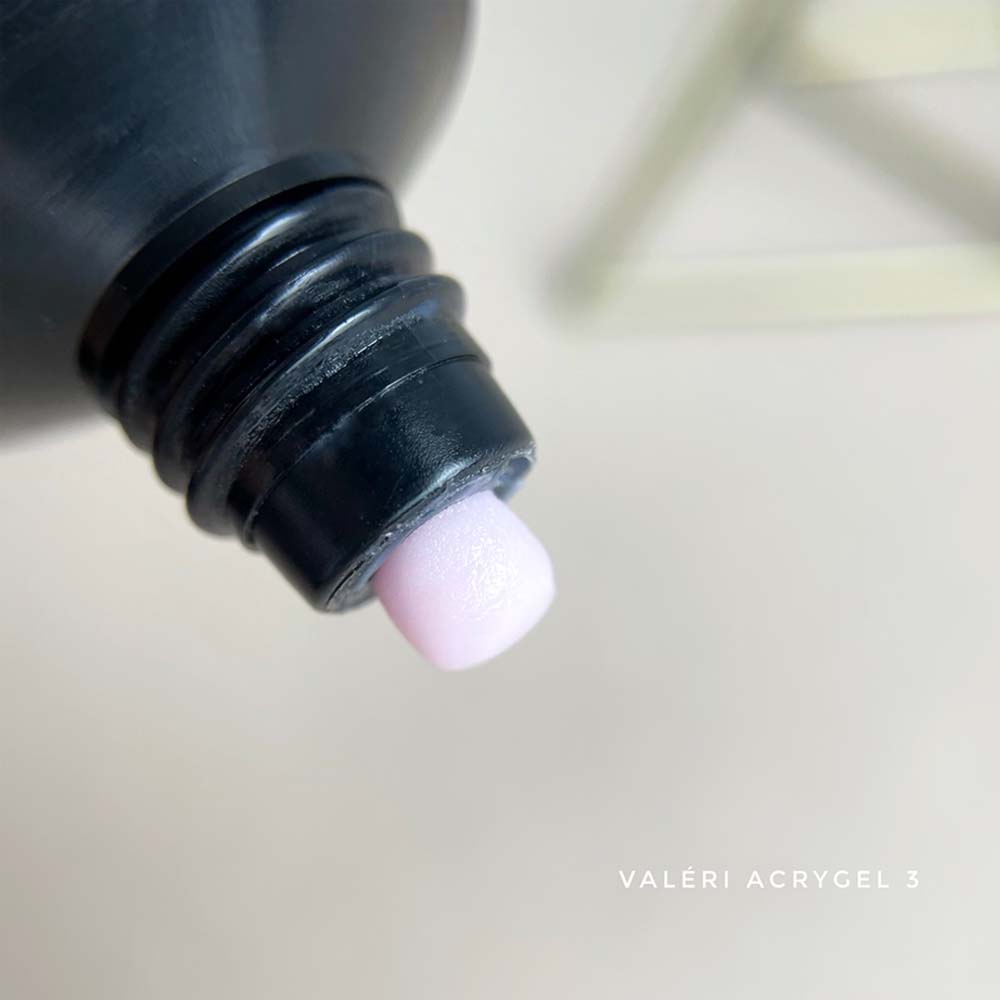
Types of builder polygel
Builder polygels can differ by:
- shade: clear, milky, cover/nude, white for a French;
- stiffness level: more elastic for reinforcing natural nails and firmer for pronounced extensions;
- packaging form: tube, jar, dispenser;
- cure speed and recommended layer thickness.
The specific choice depends on your tasks: a long square shape needs a stiffer product; for delicate strengthening, choose a more flexible formula that’s comfortable in wear.
How to use builder polygel correctly?
Working with builder polygel is based on proper nail prep and careful placement. It’s important to follow the technique: thoroughly clean and dehydrate the plate, use a compatible base, and follow your lamp’s curing recommendations.
Step-by-step application
- Perform a hygienic manicure; shape the free edge.
- Remove the surface shine with a soft buffer, remove dust, and dehydrate.
- If needed, apply a thin layer of primer and let it air-dry.
- Apply a thin base layer under polygel and cure in the lamp.
- Pick up a small amount of builder polygel with a spatula and place it on the nail or into an upper form.
- With a brush moistened in a special solution, distribute the material, forming the apex, sidewalls, and an even surface.
- Cure as directed; refine the shape if necessary and seal with a suitable top coat.
Common mistakes and how to avoid them
A common mistake is too much thickness at the cuticle and in the stress area, which makes the coating look bulky and leads to lifting. Solution: work in smaller portions and carefully control the thickness.
Another frequent issue is insufficient nail prep: leftover dust, surface oils, or skipping primer on challenging nails can cause chips and lifting. It’s also important not to overcure/overheat the product and to use equipment with appropriate power so the builder polygel cures fully without heat spikes.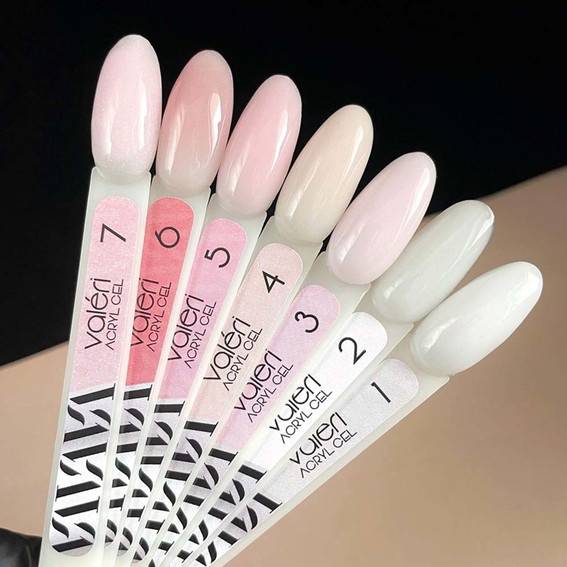
How to choose a good builder polygel?
A good builder polygel should behave predictably: have a stable viscosity, avoid bubbling, keep its color, and resist yellowing during wear. Pay attention to:
- ease of application and level of self-levelling;
- absence of strong odor;
- compatibility with your bases and tops;
- comfort in the lamp—minimal heat spikes, even on thin nails.
If you often do extensions, choose stiffer formulas that hold length and shape better. For reinforcing natural nails, opt for slightly more elastic builder polygels in natural shades.
Where to buy quality builder polygel?
The most reliable option is to buy from specialized nail-tech stores. In the online shop Tufishop you’ll find a selection of builder polygels with different stiffness levels, shades, and sizes—for both beginners and experienced professionals. It’s also convenient to pick matching bases, tops, forms, and accessories to assemble a complete kit for extensions, sculpting, and strengthening at a professional level.