







Translucent polygel for nails — modelling, strengthening and a natural effect
Semi-Transparent PolyGel: Features and Uses
Semi-transparent polygel is a hybrid of acrylic and gel with a light, “veil-like” tint. It delivers a natural effect: the nail’s contours gently show through, while the surface looks neat and well-groomed. This material is used for strengthening, leveling, light extensions, nude designs, and manicures with a natural look without a dense color.
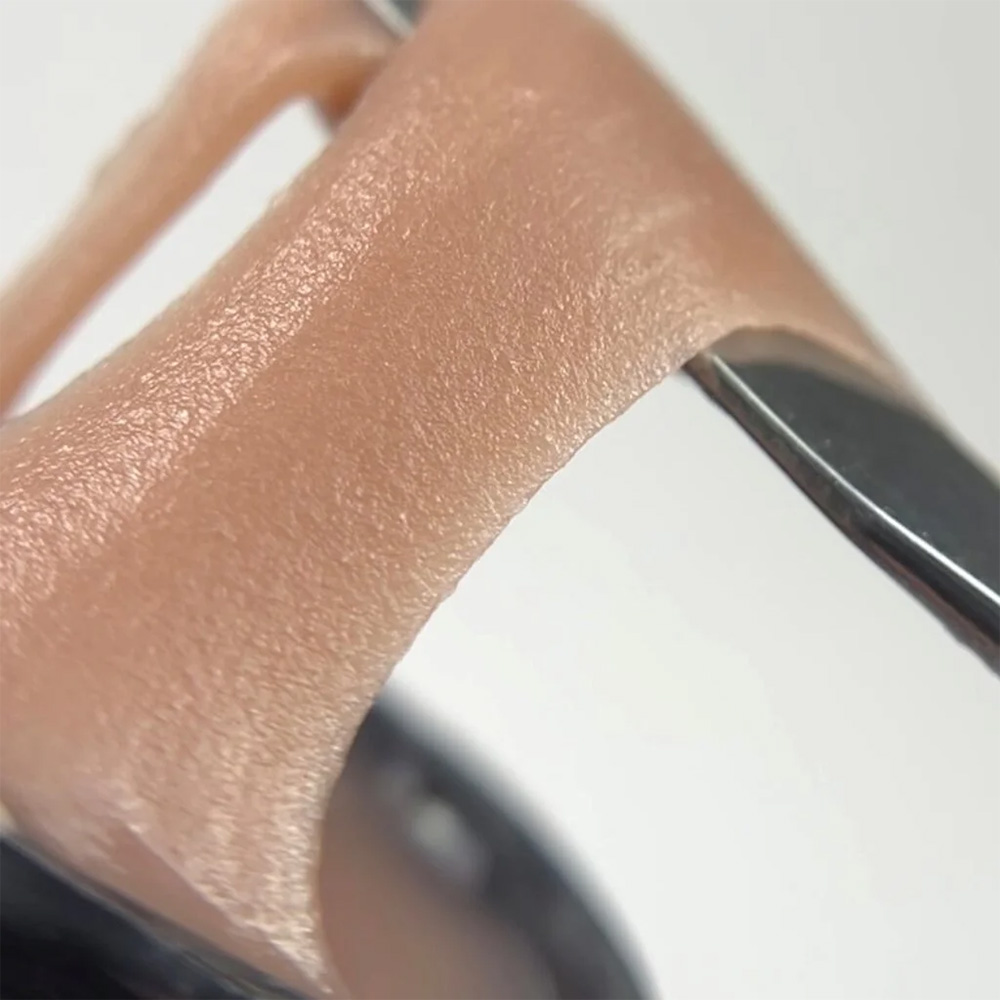
Semi-transparent polygel for nails is especially handy when you need to hide minor plate imperfections, visually improve the shape, yet keep the impression of “your own” nails. It’s perfect for office, everyday, and basic manicures, and also as a base under a French or a delicate gradient.
How to Use Semi-Transparent PolyGel Correctly?
Working with this material barely differs from classic polygel: it doesn’t run, gives you time to sculpt, and files well. However, because of the semi-transparent texture, shape irregularities are more noticeable, so it’s important to build the architecture carefully already at the modeling stage.
Step-by-Step Application Guide:
- Perform a hygienic manicure, shape the nails as desired, and carefully treat the cuticle area.
- Lightly buff off the surface shine of the nail plate, remove dust thoroughly, and dehydrate/cleanse the surface.
- If needed, apply a thin layer of acid-free primer and let it air-dry.
- Apply a thin base layer under the polygel and cure in a lamp.
- Pick up a small amount of semi-transparent polygel with a spatula and place it on the nail or into the dual form.
- Using a brush moistened with slip solution, distribute the material evenly, forming the apex and clean side walls.
- Cure in the lamp according to the manufacturer’s instructions, then—if necessary—do a light refine file and finish with a suitable top coat.
Common Application Mistakes with Semi-Transparent PolyGel and How to Avoid Them
A common mistake is applying a layer that’s too thick, which makes the manicure look heavy and unnatural. It’s better to work in small portions and monitor the thickness along the entire length. Another issue is insufficient nail prep: skipping dehydration or primer leads to lifting, especially on thin and flexible nails.
It’s also important to distribute the material carefully around the cuticle and sidewalls. With semi-transparent coverage, steps, “ridges,” and overflows are especially visible—so pay attention to smooth transitions and neat placement before filing.
How to Choose a Good Semi-Transparent PolyGel?
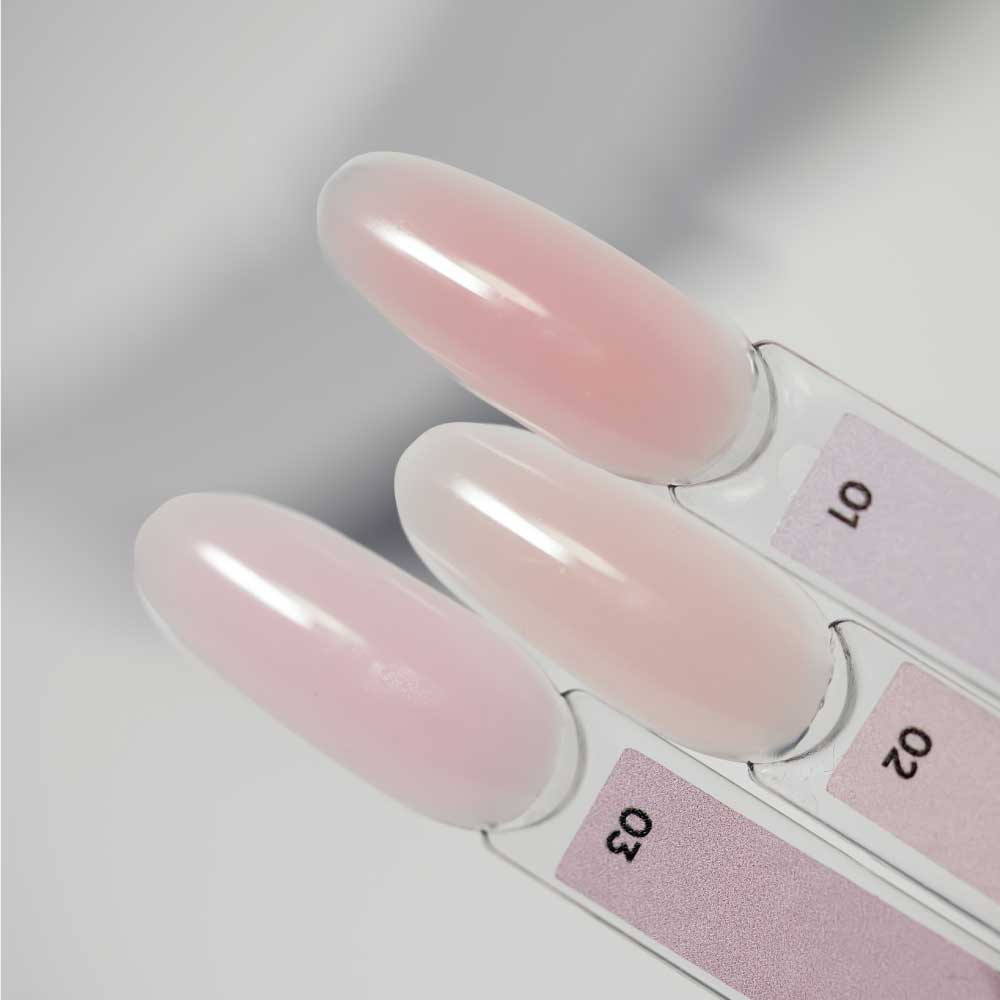
A quality semi-transparent polygel should be thick enough not to flood the cuticle area, yet responsive to the brush. Pay attention to the shade: nude, milky, and slightly pink tones are versatile and suit most designs. An important criterion is color stability—no yellowing in wear, no cracking, and no color change after curing.
If you mainly strengthen natural nails, choose a more elastic formula; for extensions and stronger architecture, a firmer option is better. Be sure to follow the brand’s curing times and compatibility recommendations with bases and tops.
Where to Buy Quality Semi-Transparent PolyGel?
The most reliable choice is professional stores for nail technicians. In the online store Tufishop, you’ll find a selection of semi-transparent and clear polygels with different firmness levels and natural shades. It’s convenient to pick a matching base, top, forms, brushes, and all supporting materials in one place to create a neat, long-wearing, and ultra-natural manicure.