

This site uses Cookies that are required for the technical operation of the website and are always set. Other cookies that increase convenience when using this website, are used for direct advertising or are intended to simplify interaction with other websites and social networks are only set with your consent.
REJECT Configure ACCEPT ALLProper hair care is essential to maintain healthy and shiny hair. Hair masks are a crucial part of this process as they provide intense moisture and nutrients that regular shampoos or conditioners often can't fully achieve. If you want your hair to look healthy and feel silky, hair masks are a great option that are easy to use at home. In this article, you will learn everything important about the benefits of hair masks, which problems they can solve, and how to apply them correctly.
Hair masks offer deeper care than regular shampoos or conditioners as they are specifically formulated to provide hair with intense nutrients. They penetrate deeper into the hair and work on a deeper level to strengthen it from within. Dry, damaged, or stressed hair particularly benefits from the application of a hair mask as it provides moisture, regenerates the hair, and improves elasticity. Regular use of hair masks can make hair overall healthier, shinier, and stronger.
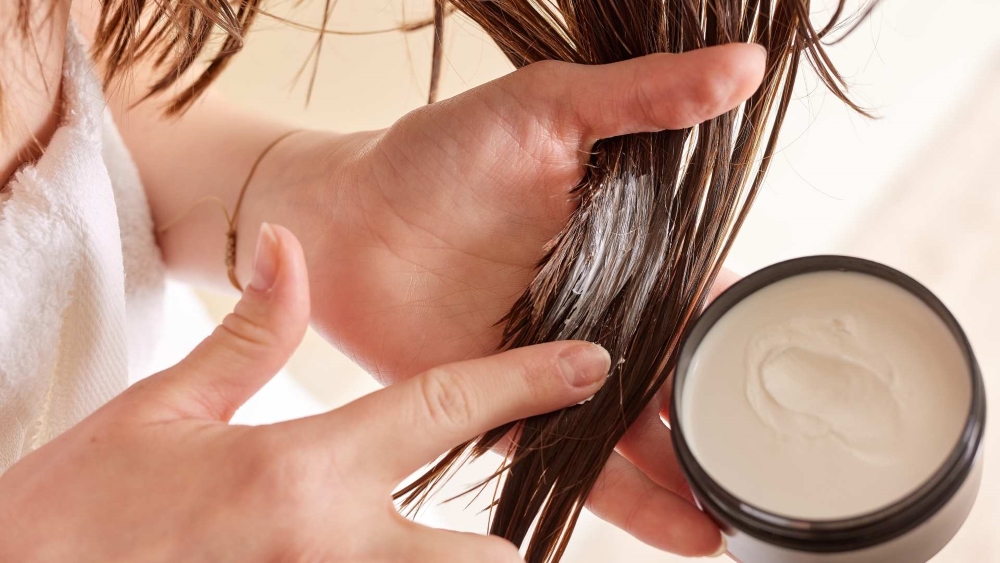
Hair masks are not only important for people with dry hair but can also benefit those with oily hair or those in need of deeper cleaning and care. They also provide a good opportunity to protect the hair from harmful environmental influences and shield it from further damage.
Homemade hair masks have several significant advantages over commercial products. These masks often contain natural ingredients without artificial additives or chemicals. This is especially beneficial for people with sensitive scalps or allergies, as they can avoid unnecessary irritating substances.
The main benefits of DIY hair masks compared to store-bought products are:
Homemade masks not only provide health benefits but are also a cost-effective and sustainable solution for hair care.
DIY hair masks are versatile and can address a range of hair problems effectively. Whether your hair is dry, oily, damaged, or thin, there is a mask for every issue.
For dry and brittle hair, masks rich in natural oils like coconut, argan, or olive oil are particularly effective. These oils penetrate deep into the hair, moisturize it, and give the strands a healthy shine. Avocado, honey, or yogurt are also excellent ingredients that nourish the hair and make it soft and smooth.
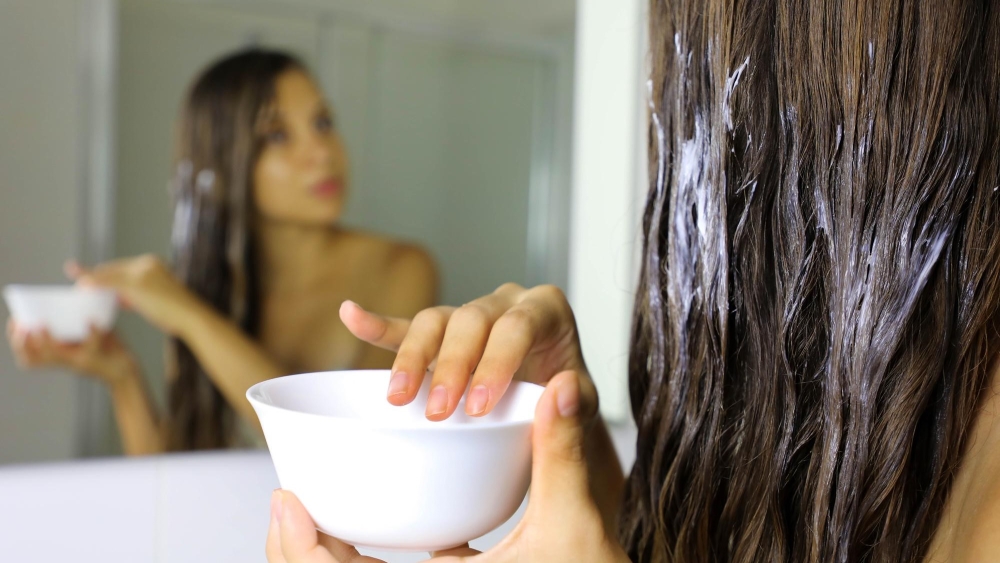
Hair masks can also benefit oily hair. Ingredients like lemon juice, tea tree oil, or clay help absorb excess oil and cleanse the hair without drying it out. If your hair is prone to hair loss, masks with rosemary oil or aloe vera can help strengthen the hair and promote growth by stimulating blood circulation.
A flaky scalp, which often leads to itching and irritation, can also be treated with DIY masks. Masks with ingredients like tea tree oil or apple cider vinegar can have soothing effects by calming the scalp and reducing dandruff formation.
To get the best results from your DIY hair mask, proper application is key. It's important to apply the product evenly and effectively to get the full benefit. Here are some tips for application:
Even with DIY hair masks, mistakes can occur that affect the results. It's important to avoid these to get the most out of the application:
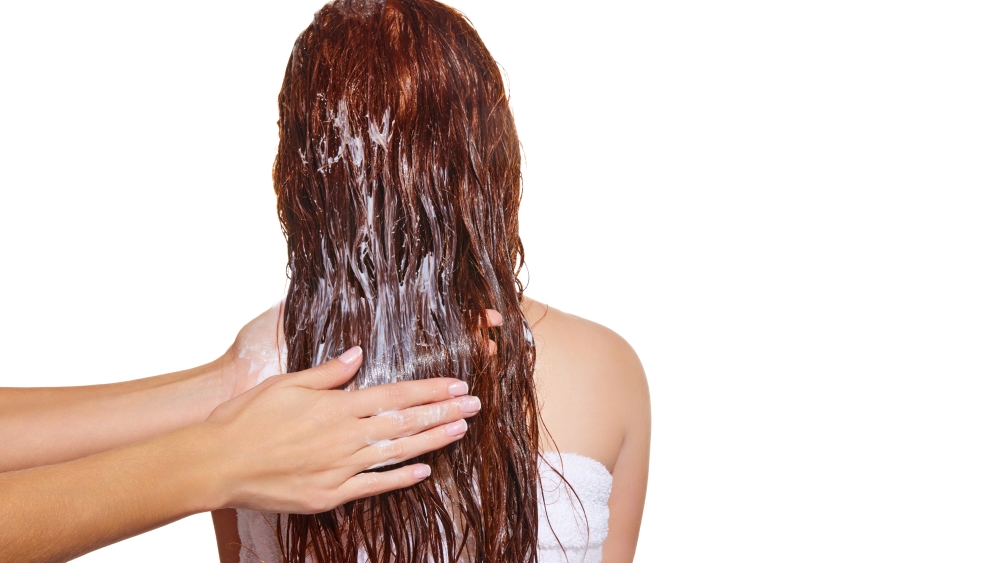
By avoiding these mistakes, you can get the most out of your hair care and keep your hair healthy and shiny.
Hair masks are a simple yet highly effective way to deeply nourish the hair and solve a variety of hair problems. With the right selection, application, and care, you can keep your hair healthy and shiny at home without relying on expensive salon visits. With the right DIY hair masks, your hair care will not only be more natural but also more personal and cost-effective.
WhatsApp
+48 45 956 69 09
 How to use a promotional code
Enter the promotional code in the appropriate field before placing your order.